
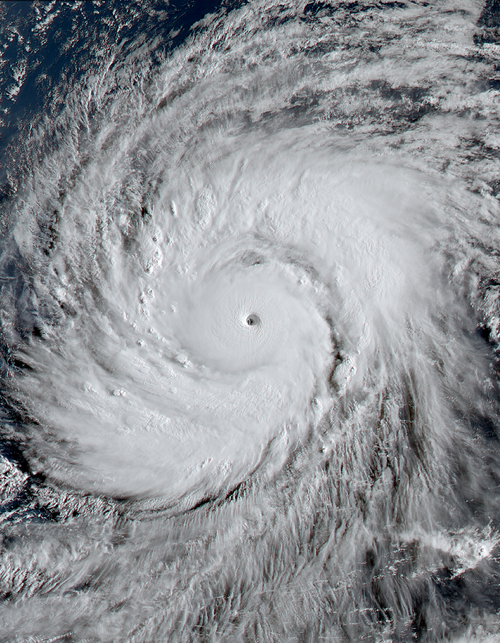
Saipan and Tinian are beginning to recover after Super Typhoon Sinlaku wreaked havoc across the islands in April. The tropical cyclone—which reached wind speeds up to 185 miles per hour—was designated as a Category 5 storm, a rare feat for a typhoon formed early in the year.
The storm intensified quickly and arrived in the islands on April 14, 2026, causing significant damage. Its strong winds knocked down trees and left residents without electricity for almost a month.
Because the storm decelerated significantly just 30 miles offshore, its inner eyewall hovered directly over the islands for over 30 hours. Saipan’s international airport reported nearly six inches of rain in a single day, while Guam received nine inches, triggering severe flooding.
Significant property damage across Saipan was also reported. Heavy rainfall caused flooding of the Crown Plaza Resort, submerging its emergency electrical generator. To make matters worse, roads became impassable, and trees were severely bent, broken, or stripped of their leaves by violent winds.
Compared to one of the most devastating typhoons to ever hit Saipan, Super Typhoon Yutu, Typhoon Sinlaku remained relatively longer on Saipan compared to Yutu, which remained for 16 hours.
US President Donald Trump approved an emergency declaration for the Commonwealth of the Northern Mariana Islands (CNMI), authorizing the Federal Emergency Management Agency (FEMA) to coordinate disaster relief efforts and to provide federal funding to support local emergency response efforts.
Weeks after the typhoon, residents are steadily recovering and adapting to disruptions. While direct commercial flights from Saipan to South Korea remained suspended due to airline adjustments, residents can use an alternate route via Guam to visit South Korea.